Murowa River: The Sand, the Well, and the Path North
Published March 8, 2026, 5:20 p.m. by Mike Thomas
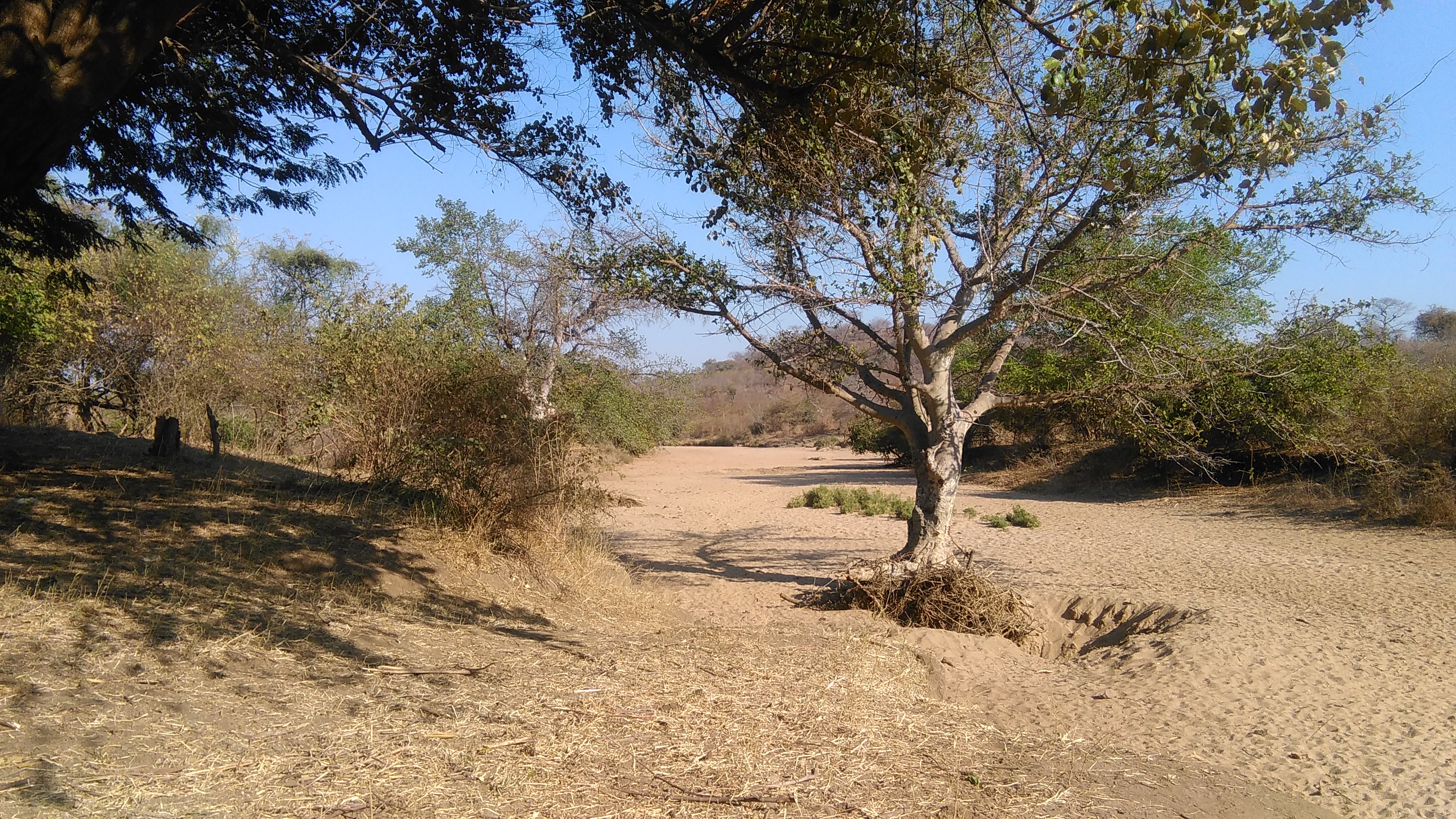
When Mupararano moved the Pfungwe lineage further north, the journey of the dynasty entered a new landscape...
When Mupararano moved the Pfungwe lineage further north, the journey of the dynasty entered a new landscape. He settled near the Murowa River, a tributary of the great Mazowe River, closer to the lands that stretch toward Mozambique. It was here that the family continued its story after his father, Thomas, had crossed this same river years earlier when he abandoned the chieftainship in Pfungwe.
At first glance, the Murowa River might not have looked like much. For much of the year its bed was sandy, quiet, and dry-looking under the sun. Yet beneath that sand flowed a lifeline that sustained both people and animals. For those who lived there, the river was far more than a landscape feature—it was part of daily survival.
The Sand That Cleaned Teeth
Life in the late 1960s and 1970s was not easy for many families in the area. Everyday items that people now consider ordinary, such as toothpaste, were simply not available or affordable.
But the Murowa River provided a solution in an unexpected way. The fine sand of the riverbed became a substitute for toothpaste. A pinch of the sand rubbed gently across the teeth cleaned them remarkably well. If sand was not used, another traditional method was to chew the end of a small stick from a tree branch until it formed soft fibres that could be used as a natural toothbrush.
In this way, the riverbed quietly supported daily life in ways that outsiders might never imagine.
The Well That Refused to Dry
The greatest treasure of the Murowa riverbed was a well that never seemed to dry. Even during the harshest dry seasons, when streams disappeared and the land turned dusty and brittle, water could still be drawn from this well.
Because of this, the well became the meeting point of the community. Women often arrived at the river in the evening and waited patiently through the night for their turn to draw water.
When morning came, each woman would fill four or five 20-litre containers. These heavy containers were then lifted and carried home to provide water for cooking, washing, drinking, and the needs of the family.
Those long nights by the well became part of the rhythm of life—stories shared in the darkness, quiet conversations under the stars, and the constant sound of water being drawn from the earth.
Footprints in the Sand
At dawn, the sandy riverbed often revealed what had happened during the night. The smooth surface of the sand held the tracks of animals that had come silently to drink.
Among the prints were sometimes the unmistakable tracks of lions.
Seeing those prints was both thrilling and sobering. It reminded everyone that the same river that sustained human life also belonged to the wilderness. People fetched water there by day, but by night the land returned to its wild inhabitants.
The Hills That Never Seemed to End
A short distance—about two to three kilometres north of the Murowa River—the land rose into a long range of hills stretching from east to west. To those who grew up there, the hills seemed endless, disappearing into the distance without a clear beginning or end.
Beyond these hills the land opened toward Mozambique. The country to the north was rich with wildlife and became known as excellent hunting territory. For those who knew the land well, the hills and forests beyond them were places of skill, patience, and survival.
A River That Carried Memory
The Murowa River may not have been wide, and much of the year its sandy bed appeared quiet and still. But for the Pfungwe family it was a place filled with life and memory.
It was where water was fetched through long nights, where children learned to brush their teeth with river sand, where lion tracks appeared at dawn, and where a dynasty continued its journey northward.
Today the riverbed may appear different from how it once looked, but the memories of those who lived beside it remain. The Murowa River was not just a place on the map—it was a chapter in the living history of the Pfungwe people.
Similar posts
Thomas Feremenga and Nyauyanga: Names Across the Colonial Divide
The Pfungwe Origins: Names, Totems, and the Hidden History of a Dynasty
Feremenga: Exploring the Possible Roots of the Name
From Feremenga to Tomasi to Thomas: A Name Shaped by Encounter
0 comments
There are no comments.